Volunteer Roles That Keep a Club Matchday Moving
Volunteer roles for a club matchday make it easier to choose a clear, manageable task, know who to ask and finish a shift without taking on more.
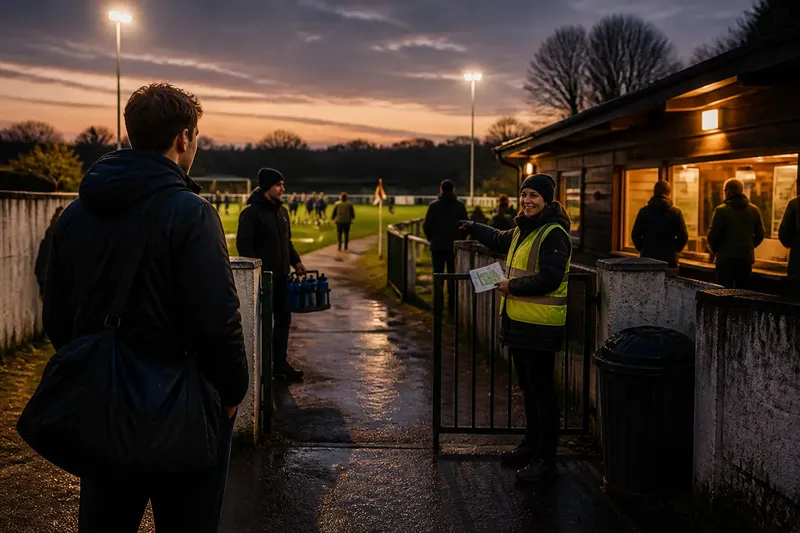
At a village ground, a new helper arrives just before kick-off and pauses by the gate, unsure whether to head for the clubhouse or the pitch. Clear volunteer roles for a club matchday prevent that awkward start: each person knows the task, meeting place, contact and finish point before they say yes.
Begin with what the fixture needs, not a grand list of titles. A small club might combine jobs; a busier ground can split them across a rota. For tasks governed by venue rules or equipment instructions, follow the club’s directions and ask its responsible person if anything is unclear.
Who coordinates the volunteers?
A volunteer coordinator records who has offered to help, matches people to agreed tasks and gives each person a contact for questions. At a small club, an existing committee member can do this. The coordinator does not need to perform every job as well.
Share a simple rota by email, WhatsApp or a paper notice in the clubhouse. Include where volunteers should meet and how they can say they are unavailable. If one person is fielding too many questions, ask another volunteer to take responsibility for a specific area.
Who welcomes visitors at the entrance?
A welcome volunteer points arrivals towards the pitch, toilets or clubhouse and directs questions about admission or club arrangements to the named person responsible. A sign at the gate can cover basic directions, leaving the volunteer free to help people who need more guidance.
Say a youth side is visiting and its families have not been to the ground before. The club gives the welcome volunteer a printed map and asks them to stand near the entrance; they point families towards the pitch and toilets, so arrivals can find their way without interrupting the team’s preparations.
What can a touchline helper do?
A touchline helper handles agreed, non-coaching tasks, such as taking water to a designated spot or carrying a team bag between named locations. The coach or team manager should explain where the helper may go and when to stay clear.
Confirm where water and spare equipment are kept, and agree what to do if the task changes during play. The coach or manager decides what happens next; the helper should not have to guess or take on unofficial coaching.
How can volunteers share matchday operations?
A gate volunteer follows the club’s agreed entry arrangements. A refreshments volunteer prepares and serves the items the club has chosen to offer. A grounds-side helper can move approved portable items, such as bins or signs, to the places the club specifies.
For each task, write down the lead contact, required supplies and handover point. If the role involves a safety-critical repair or an emergency decision, direct the volunteer to the club’s responsible person rather than asking them to act beyond their training or authority.
Who helps spectators find the right place?
A spectator-area steward points people towards permitted viewing areas and passes concerns to the named club contact. The job is to give directions and communicate, not to police supporters or confront people.
Before the match, identify areas open to spectators and those reserved for players, officials or staff. If a visitor asks something the steward cannot answer, they can direct the person to the club contact instead of guessing. A small sign by the entrance or pitch can repeat the directions.
Who helps close the ground after the match?
A close-down volunteer can return agreed portable items, collect litter in an assigned area and report back to the matchday lead. Set a clear finish point. Do not leave the volunteer to decide whether locked rooms, equipment stores or changing areas should be secured.
Agree which locations are part of the task and how shared items should be returned. A brief message to the lead confirms the volunteer has finished and flags anything that needs attention. Someone who cannot help before kick-off may be able to tidy one area afterwards instead.
What should each volunteer role include?
A useful role description answers five practical questions: what the person will do, where to meet, when to start, who to contact and how the shift ends. A rota should also say how to report an absence and whether a handover is needed. These details help a volunteer decide if the commitment fits their day.
How long should a matchday volunteer shift be?
Agree a start time and a clear finish point with the volunteer. The club’s fixture arrangements and the task determine the timing, so do not leave someone guessing when they can go.
Can one person take on more than one role?
Yes, if the duties do not need attention at the same time. A volunteer could set up a welcome table, then take a gate shift after handing over the table to another named person.
What should a volunteer do if they cannot attend?
They should tell the named coordinator as soon as possible through the contact method on the rota. The coordinator can arrange cover or adjust the task; the volunteer need not find a replacement unless that was agreed.
How can a new helper choose a first role?
Give them a plain description of the task, its time commitment and the person available for questions. A newcomer can then choose a bounded job, such as welcoming visitors or collecting cups, before deciding whether to help again.
How do you make a matchday rota easy to join?
Use plain language and put the task, meeting place, time, contact and finish point together. Choose a channel people already check, such as a shared spreadsheet, clubhouse notice or WhatsApp group. A broad appeal for “more help” does not tell a prospective volunteer what they are agreeing to do.
Imagine a club needs someone to welcome arrivals at a home fixture. The coordinator writes: “Meet me by the entrance before the gates open; direct visitors to the pitch and facilities; hand over to Sam, the named matchday contact, when the agreed shift ends.” The prospective helper can see the location, task and handover before deciding whether to take the role.
Keep the invitation open after sharing the rota. People can ask about a task or offer a different contribution, without being treated as committed to every future fixture.
How should the club recognise a completed shift?
The matchday lead can check that the volunteer has finished, ask if anything needs passing on and thank them for their time. That exchange also gives the club a chance to hear whether the instructions or supplies were unclear.
Use that feedback to improve the next rota. If helpers are unsure where to meet, make the location more precise; if a task keeps running past its agreed finish, split it or revise the handover. Clear volunteer roles for a club matchday help people contribute on terms they understand, and a named contact gives them somewhere to turn if the plan changes.
When preparing the next fixture, write down one task at a time and invite people to choose what fits their availability. A small, clearly bounded offer is easier to accept—and easier for the club to organise—than an open-ended request to help with everything.