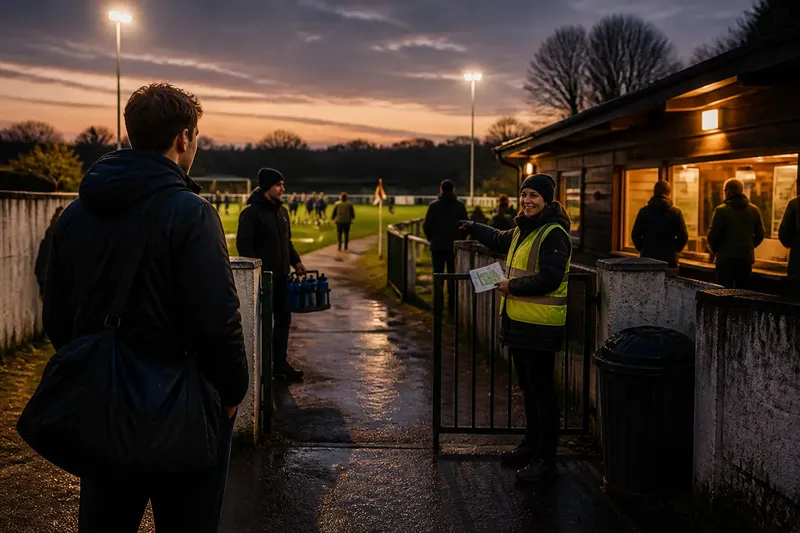
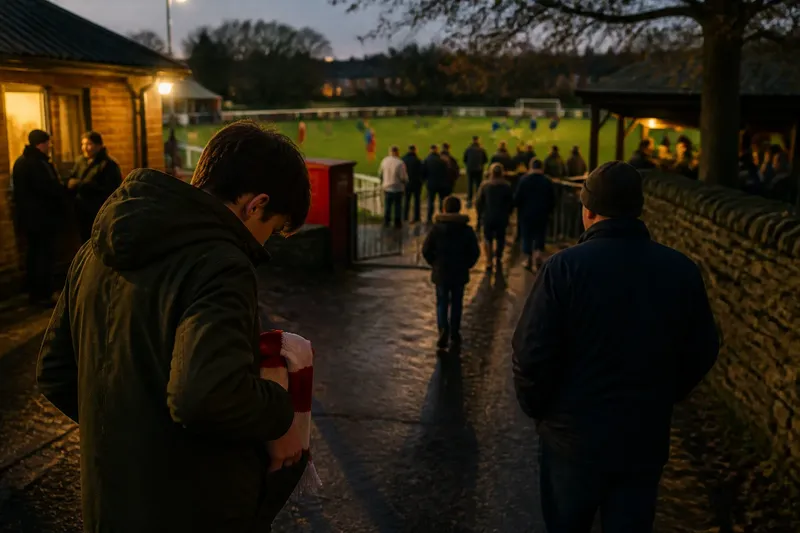
Clubhouse or Pavilion: Two Places with Different Jobs
Clubhouse or pavilion? Learn how each space serves a local sports club, where their roles overlap and how to recognise the purpose of a room.
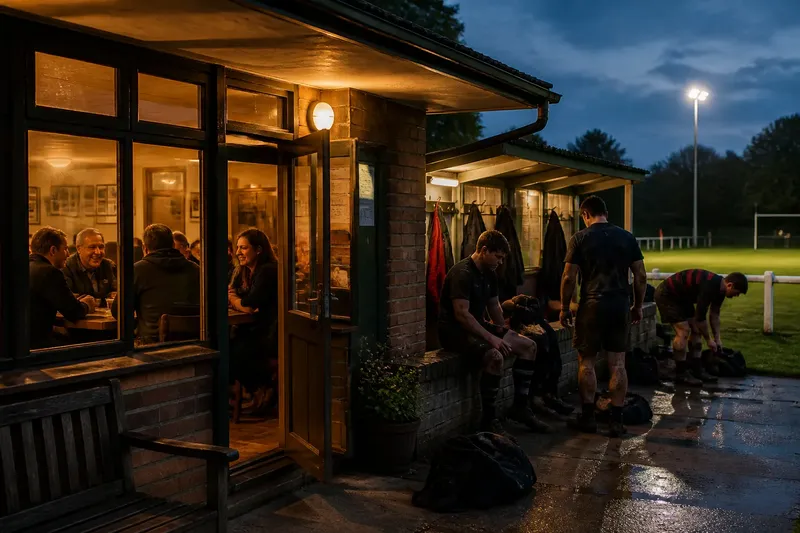
After a Saturday fixture, one group heads inside for tea while another changes out of muddy kit near the pitch. At a local sports ground, a clubhouse and pavilion may sit close together or share a doorway, but they usually answer different needs. Knowing what each space does helps visitors find their way and gives a clearer picture of the club around the game.
What is the main difference between a clubhouse and a pavilion?
A clubhouse is chiefly a place for gathering. It may host a post-match meal, committee meeting, quiz night or casual visit between training sessions. Its rooms are arranged around people spending time together, whether or not a match is taking place.
A pavilion is more directly tied to the playing area. It commonly offers changing space, toilets, storage or shelter for players and spectators. Its position often makes it a convenient base for getting on and off the field, court or green.
These are customary roles, not fixed architectural rules. A small club might call its only building a pavilion while using it for social events; another might have a clubhouse with changing rooms and a clear view of play. The name gives a clue, but the layout and routine reveal what the place does.
How does a clubhouse support life beyond the fixture?
The clubhouse gives a club somewhere to meet when the game itself is not the main activity. A table can become a place to plan a youth session, welcome a new member or share food after a league match. A noticeboard, kettle and stack of chairs can matter as much as the bar or lounge.
That social role can bring different groups together. Parents may wait there during junior training, older members may gather for a regular catch-up, and visiting teams may be invited in after play. Local habits shape the atmosphere: some clubs prefer a quiet tea room, while others use a larger hall for music and community events.
Access and arrangement affect who feels comfortable staying. A clear entrance, movable seating and a corner where people can talk without blocking the main route can make a room work for different ages and activities. The clubhouse gives relationships formed around sport a place to continue.
Why is a pavilion positioned close to play?
A pavilion’s connection to the playing space is practical. Players may need a place to change, store personal items or gather before taking the field. Officials might use a room to prepare, and spectators may seek shelter while keeping an eye on the action.
Its location gives it a particular rhythm. The building is busiest around arrival, warm-up, breaks and the end of a match. A bench facing the ground or a window overlooking a court can make watching part of the pavilion’s everyday use, even when the building is modest.
Not every pavilion contains all the facilities a team needs, and sports use different arrangements. A bowls pavilion, cricket pavilion and football changing block may differ substantially. The useful question is whether the rooms support the club’s pattern of play, rather than whether the building matches a familiar image.
Where do the two roles overlap?
Overlap is common because clubs work with the buildings they have. A pavilion may open into a social room for post-match refreshments; a clubhouse may include changing rooms at the back. In a compact site, one hall can serve as a meeting space during the week and a place for players to gather on match day.
Say a small hockey club has one building beside its pitch, with a changing room, a kitchen hatch and several tables. After training, players change and then sit together for a drink; during a community gathering, the tables are rearranged and the changing area stays private. The same building serves both purposes because the club separates the activities, not because the rooms have identical jobs.
Shared use calls for simple expectations. A club might keep wet kit away from the main seating, reserve a room for changing, or make clear which parts are open to visitors. These conventions protect the practical function of the pavilion while allowing the social function of a clubhouse to grow around it.
How can you tell what a building is meant to do?
Look at how people move through it, rather than relying on its sign. Notice whether the entrance leads towards changing rooms or a lounge, whether the windows face the playing area, and whether tables are set up for meals or meetings. A building can carry both identities, but its busiest routines usually show which role comes first.
It also helps to consider who uses the space and when. A room may feel like a pavilion before a match and a clubhouse afterwards. During the week, it could become a venue for a local group with no direct connection to the team.
What should visitors know about clubhouses and pavilions?
Visitors can usually work out where to go by checking signs at the entrance and asking a club representative if access is unclear. Changing rooms are often intended for players, while shared lounges and spectator areas may be open to guests; local arrangements vary. Follow any posted directions and keep private team areas clear.
Can a pavilion also be a clubhouse?
Yes. Many clubs use one building for changing, watching and socialising, especially where space is limited. The word pavilion may describe its position and sporting function, while its rooms also serve as a clubhouse.
Does a clubhouse always have a bar?
No. A clubhouse can be a simple room with chairs, a kitchen area and club information. Its defining purpose is to provide a place for people to gather, not to offer a particular service.
Is a pavilion only for players?
No. Players may use changing or team rooms, while supporters use nearby seating or shelter. The arrangement varies by club, so visitors can check signs or ask a club representative where public access is welcome.
Why do some clubs use both names?
A club may have a pavilion beside the pitch and a separate clubhouse elsewhere on the site, or use one name informally and another on official notices. Local usage often reflects how members understand a building’s role rather than a strict architectural distinction.
What does the distinction reveal about a club?
The clubhouse and pavilion describe two connected parts of sporting life: the gathering around a club and the practical setting for play. Some grounds separate them; others fold both into one building. Either arrangement can work when the spaces fit the club’s routines and make it clear where different activities belong.
When visiting a ground, notice what happens between the match’s main moments. The route from changing area to pitch, the seats facing the game and the room where people linger after play all show how the club has shaped its space. A clubhouse or pavilion is best understood by watching how members use it, not by the label above the door.