The Keepsake Scarf Is Not the Whole Story
Supporter identity goes beyond a keepsake scarf: see how shared routines and matchday occasions reveal belonging, and choose what feels natural to you.

A supporter folds a club scarf into a coat pocket before heading to the ground; another wears no colours but knows which gate stays open after the junior match. Neither action tells the whole story on its own. Supporter identity is often easier to recognise in the routines people share than in the merchandise they carry.
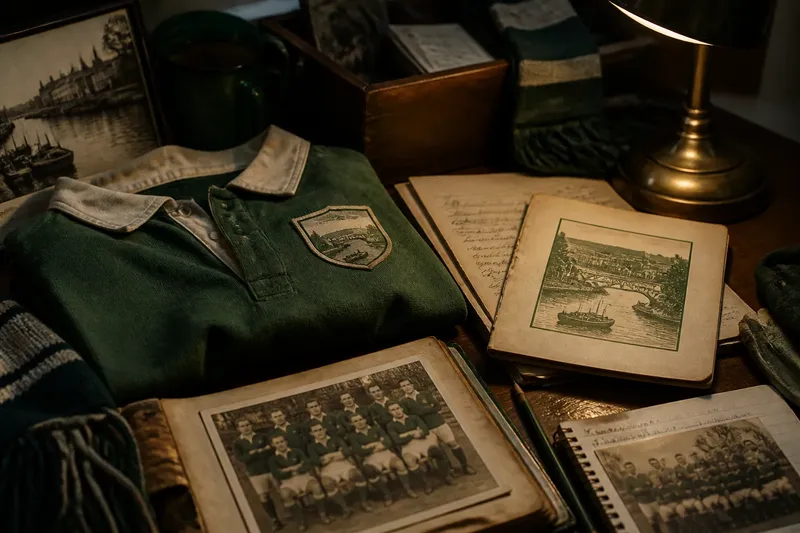
A scarf can mark affection, memory or a family connection. It can also be a present, a practical extra on a cold afternoon, or simply the one piece of club clothing someone owns. Treating it as a complete measure of commitment misses the ways people make room for a club in ordinary life: returning for a fixture, greeting familiar faces, following a local custom or bringing someone new along.
What does supporter identity look like beyond a scarf?
In eastern communities, sport often sits among other local rhythms: work, school, market days, village gatherings and family visits. A club becomes part of that pattern when people repeatedly make time for it, talk about it and connect it with one another. The action may be visible, such as singing from the touchline, or quiet, such as asking an older neighbour how the team got on.
These signs are not a scorecard. A person who cannot attend regularly may still care deeply, while someone who attends every home fixture may prefer not to show emotion publicly. The useful question is not “Who looks like a supporter?” but “What forms of connection matter to this person and their community?”
Should you express support through merchandise?
Club merchandise is a clear, portable way to show affiliation. A scarf, cap, shirt or badge can prompt conversation at a bus stop, in a school corridor or on the walk to the ground. It may also carry a personal story: a gift from a relative, a souvenir from a first match, or a way of keeping a club close when someone has moved away.
This approach suits supporters who enjoy visible symbols, want an easy gift, or find that wearing club colours helps them feel part of a crowd. It can be especially useful for a new supporter who does not yet know local routines. Choosing a small item connected to the club gives them a simple way to join in without needing to know every chant or custom.
Merchandise has limits as a guide to belonging. A supporter may own little because they prefer to spend time at matches, cannot find clothing that fits, or do not want to advertise their allegiance. Some people wear a scarf only on special occasions; others keep one at home because it is tied to a memory. Read the object as an invitation to ask about its meaning, not as proof of someone’s standing.
Do repeated matchday habits say more?
Routines reveal the place sport has in someone’s week. A supporter may leave work in time to meet friends outside the ground, stand in the same stretch of touchline, or listen for the score while preparing a family meal. The routine matters because it is repeated and shared, not because it follows a single correct pattern.
This approach suits people who value familiarity and companionship more than display. It also gives newer supporters a practical entry point: ask where people usually gather, learn the route to the ground, or join a regular conversation after a match. Local habits vary, so watch and listen before assuming that every club welcomes the same sort of participation.
Routines can be easy to overlook because they may not look like formal support. Someone who gives a lift to a relative, checks the fixture noticeboard, or makes space on the touchline for a child is contributing to the social life around sport. That does not make their way of supporting more authentic than wearing club colours; it simply shows another form of connection.
Which shared occasions make belonging visible?
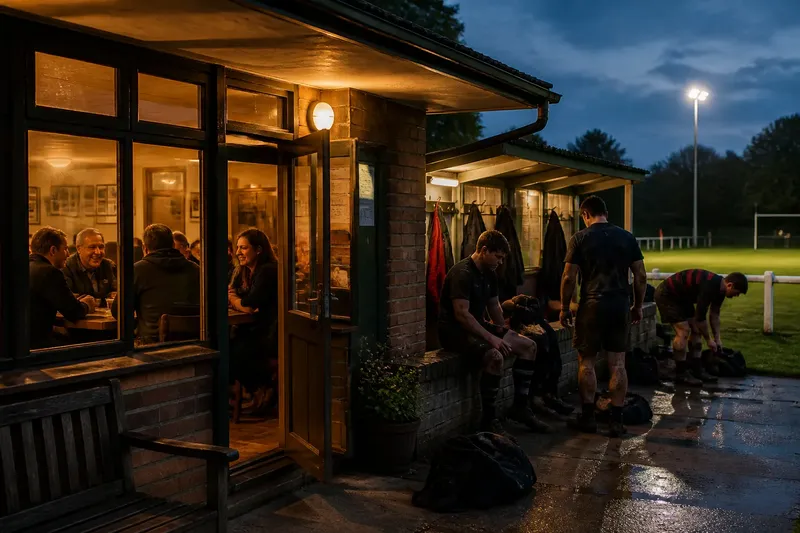
Support is also formed around occasions that bring people together beyond the central contest: a junior fixture, an end-of-season gathering, a local cup day or a club’s annual presentation. People may arrive for different reasons. One comes to watch a family member play, another to catch up with neighbours, and someone else to help a child feel welcome.
This approach suits supporters whose connection grows through family, friendship or community events. It can also work for people who feel uncertain about joining a matchday crowd. A smaller occasion may offer more chances to talk, learn names and understand how the club fits into local life without needing to perform as a long-standing fan.
Say you have recently moved to a town and have been given a club scarf by a colleague. You could wear it to a junior match, ask which side of the ground families usually stand on, and stay afterwards for the informal gathering. The observable result might be a conversation with another family and a clearer sense of how to return next time; it would not mean you had to adopt every local custom or buy more merchandise.
How do merchandise, routines and occasions differ?
Each approach offers a different kind of connection, and none needs to replace the others. Merchandise makes affiliation visible; routines make it part of recurring life; shared occasions create openings for people to meet. Which one feels meaningful depends on what you enjoy and what your circumstances allow.
- Choose merchandise if you like a visible symbol, want something to give or receive, or enjoy carrying a reminder of a club.
- Choose a routine if you prefer regular contact, familiar faces and a predictable way to follow the team.
- Choose shared occasions if you want to connect through family, friends or community gatherings, especially while learning how a club works socially.
You can combine them, or keep just one. Someone might wear a scarf to a cup match, follow the score from home on ordinary weekends and attend a club gathering with a relative. That pattern is no less coherent because it changes with the season, work or family commitments.
What do new supporters often ask?
Do I need club merchandise to count as a supporter?
No. A scarf or shirt can express attachment, but it cannot measure someone’s interest or connection. Follow the team, join in where you feel comfortable, and let your own habits develop.
How can I join a local matchday routine?
Ask a supporter you know where they usually watch and whether there is a customary meeting place. At the ground, notice how people gather and follow the atmosphere without assuming that every group wants to be approached.
Can I support a club if I only attend some occasions?
Yes. Work, travel, caring duties and personal preference all shape attendance. A connection may be carried through conversations, family traditions, following results or choosing the occasions that fit your life.
What if I do not know the songs or local customs?
Listen first, then ask someone you trust what a particular custom means. You can join in when it feels natural; watching quietly is also a reasonable way to learn.
How can you choose what feels natural?
Start with one manageable point of contact rather than trying to imitate the most visible supporters. If you enjoy clothing, wear the scarf. If you value a familiar rhythm, pick a fixture you can attend regularly. If conversation matters most, ask about a local gathering or go with someone who already knows the club.
Give yourself permission to adjust. A routine that suits one season may not suit another, and a person’s connection can deepen without becoming more public. Supporter identity is not a uniform to pass an inspection; it is a relationship made legible through the things people return to and share.
The next time you see a keepsake scarf, let it begin a conversation rather than end one. Ask where it came from, then listen for the match, person or occasion attached to it. The answer may show why that small piece of cloth matters—and what else keeps the club close.