A First Visit to a Local Club Open Day
A local club open day can feel easier to enjoy with a simple plan for finding demonstrations, displays and conversations at your own pace.
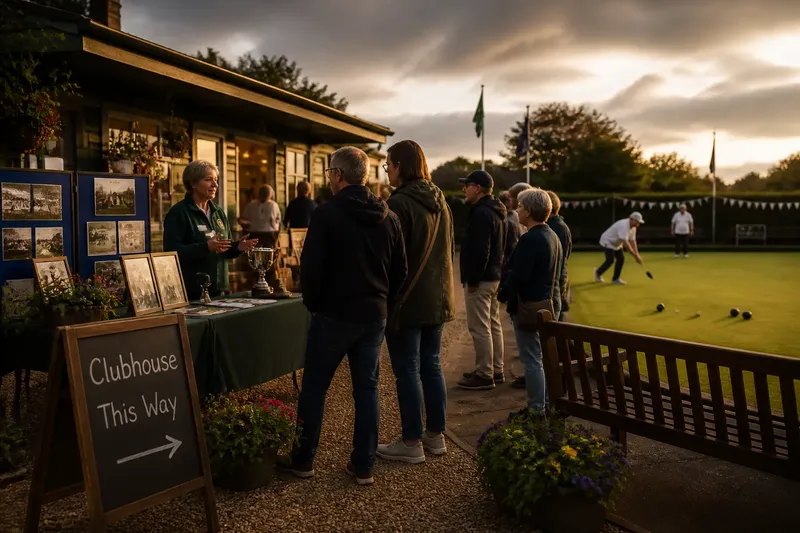
You arrive at a local club open day just as a group gathers around a demonstration, while a hand-lettered sign points towards the clubhouse and someone nearby is explaining a display. It can be hard to know where to start without feeling that you must see everything. A little structure helps you notice what interests you and leave space for an unexpected conversation.
What if you cannot tell where to begin?
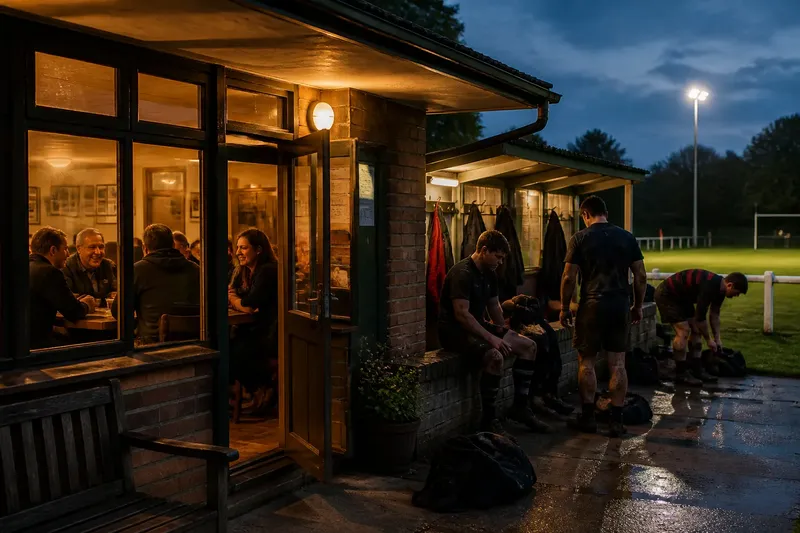
Open days often bring together several parts of club life: a practice area, photographs or trophies, a noticeboard, and places to sit and talk. The activity may not follow a formal schedule, so walking in without a first destination can make the whole event feel more confusing than it is.
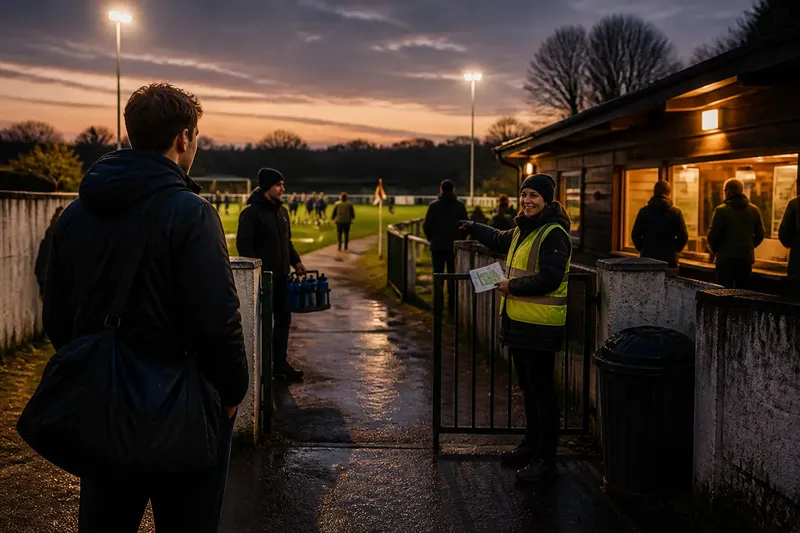
Start by looking for a welcome table, a printed programme or a board near the entrance. If there is no obvious guide, ask a host which demonstrations are happening and whether anything has a set time. You are not asking for a tour; you are simply getting the lay of the ground.
Choose one nearby thing to see first, such as a training demonstration or a display of old team photographs. That gives you a starting point without committing you to a route. Afterward, decide whether to follow the programme or wander towards something that has caught your eye.
What if the programme feels too full?
A timetable can make an open day look like a sequence of appointments, particularly if demonstrations overlap. Trying to attend every item may leave you hurrying between areas and barely noticing what is happening.
Mark one or two activities that genuinely interest you, then treat the rest as optional. If a demonstration is under way when you arrive, watch for a little while and stay longer if it holds your attention. You can also ask whether the same activity will happen again, rather than assuming you have missed your only chance.
Leave unplanned time between activities. It gives you room to read a display, look at the playing space from a different angle or stop for a brief chat. An open day is not a test of how much of the club you can cover.
How can you watch a demonstration without getting in the way?
Demonstrations may take place on a pitch, court, track or patch of practice ground that is also used for ordinary training. Standing too close can block a view or distract the people taking part, even when you only mean to get a better look.
Look for a marked viewing area or follow the position of other visitors. If the boundary is unclear, ask a club host where spectators should stand. Keep bags and coats out of walkways, and avoid stepping onto playing surfaces unless someone invites visitors to do so.
Watch what the demonstrators are showing before deciding what to ask. A short question about a piece of equipment, a skill or the club’s regular sessions is easier to answer than a broad request to explain the whole sport. If the group is concentrating, wait until the demonstration ends.
What if you do not know how to join a conversation?
Club members may already know one another, and their conversation can sound like a private circle. That does not necessarily mean visitors are unwelcome; people may simply be focused on organising the next activity or answering several questions at once.
Look for a natural pause and open with a specific observation: ask what is happening in the demonstration, or whether the photographs show different club teams. If you meet a greeter or someone staffing a display, they are likely to be in a better position to talk than a participant preparing to take part.
Keep the exchange light and let the other person set its length. A friendly answer may lead to more conversation; a quick reply may mean they need to return to a task. You can thank them and move on without treating a brief chat as a failed attempt to connect.
How should you handle displays that leave you with questions?
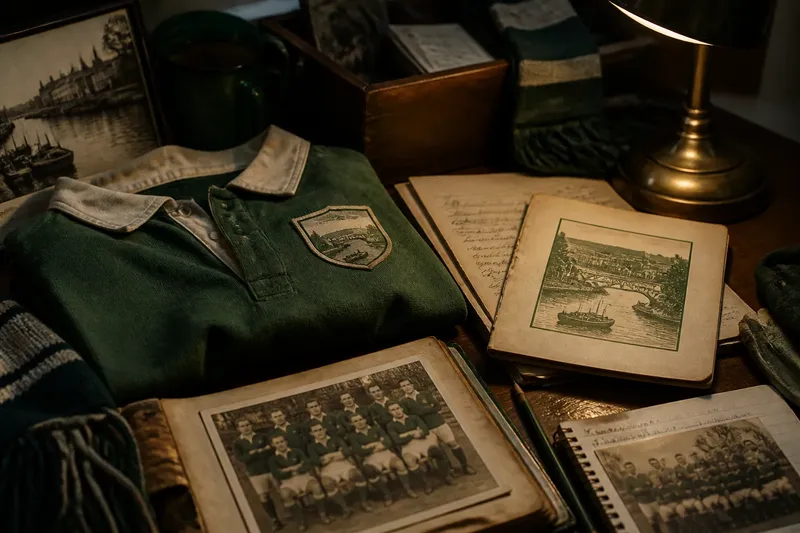
A display might include old photographs, medals, match programmes, equipment or a map of the club’s facilities. Labels can be brief, and an object’s significance may be clear to regular members but not to a first-time visitor.
Read the caption before asking about an item, then use what it says to frame a more focused question. For instance, if a photograph identifies a team but not the setting, ask where it was taken or what kind of occasion it records. That gives a club member something concrete to explain.
Do not handle trophies, equipment or photographs unless a sign or host says they are available to touch. If a display has no explanation, make a note of the question or ask a volunteer when they are free. You can enjoy the object without needing to know its full story on the spot.
What if you feel unsure about taking part?
Some open days invite visitors to try a basic activity; others are mainly for watching and meeting members. It can be unclear whether a demonstration is an invitation, so look for signs, a host’s instructions or a clear offer before stepping into a session.
If you are interested but hesitant, ask whether visitors can have a go and what clothing or equipment is suitable. You can also watch first, then decide. There is no need to participate just because an activity is taking place in front of you.
Say you arrive at a bowls club open day and see a short demonstration on the green. You ask a host whether visitors may try a few bowls, learn that there is a suitable space for beginners, and decide to watch one turn before joining. The expected observable result is simple: you will know where to stand and what the activity involves before choosing whether to take part.
What should you know before you go?
Do I need to register before arriving?
Check the club’s notice, social media page or event listing for any booking details. If the information is unclear, contact the club using the listed email address or phone number rather than assuming entry is unrestricted.
What should I wear to a club open day?
Choose comfortable clothing and shoes that suit walking around the venue. If you hope to try an activity, check the club’s instructions first, as some playing surfaces or equipment may call for particular footwear.
Can I bring children or a friend?
Look for visitor information about families, access and guest arrangements. If you cannot find it, ask the club before travelling so you know what to expect at the entrance and around the activities.
Is it all right to take photographs?
Ask a host before photographing people, especially children, and check whether any display or activity has restrictions. If you are unsure, enjoy the moment without taking a picture.
How can you leave with a clear next move?
Before you go, take a moment to identify what you enjoyed: a demonstration, a conversation, the club’s history or simply seeing the place in use. If you would like to return, ask when ordinary sessions take place and whether visitors can watch or join. A name for the relevant contact or a note of the club’s public page may be more useful than collecting every leaflet on the table.
If nothing especially catches your attention, that is useful information too. You can thank the hosts, leave without apology and keep the visit as a relaxed introduction rather than a commitment. A local club open day works best when your next step follows your own curiosity: return for a session, ask one further question later, or simply remember a new place in the neighbourhood.